Did Marketing Invent Valentine’s Day Chocolate?
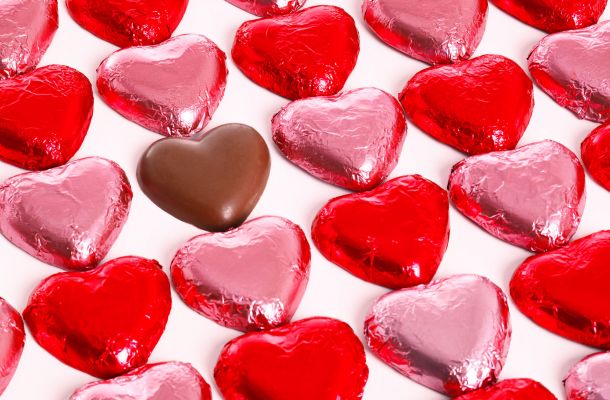
Every year leading up to Valentine’s Day, stores fill with red and pink displays, roses, and heart-shaped boxes of chocolate. It feels like it’s always been that way.
But chocolate wasn’t always a Valentine’s Day staple. That tradition was shaped *intentionally* by branding and marketing decisions that stuck.
As marketers, we love a good origin story. And this one is a reminder that some of the most powerful holiday marketing campaigns weren’t loud. They were thoughtful, strategic, and consistent.
When Chocolate Became A Valentine’s Gift
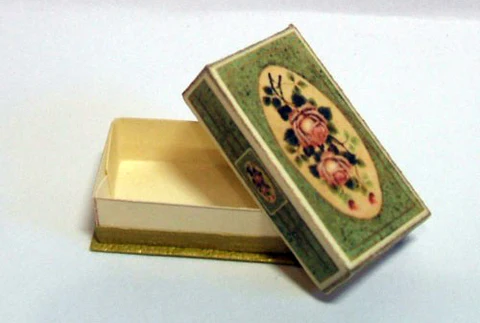
Image Source: CandyFavorites.com
Valentine’s Day dates back centuries. People exchanged handwritten notes and small tokens of affection long before modern retail took over. But chocolate wasn’t originally tied to the holiday.
That changed in the 1860s.
Richard Cadbury, of Cadbury Chocolate, was looking for a way to increase sales. Instead of just selling more chocolate, he changed how it was presented. He created decorative, heart-shaped boxes designed specifically for Valentine’s Day.
The packaging did two things: It made chocolate feel romantic. And it made the box worth keeping.
Suddenly, chocolate wasn’t just a treat. It became a gift.
That’s an early example of how product packaging and brand experience can reshape consumer behavior.
Seasonal Branding and the Power of Consistency
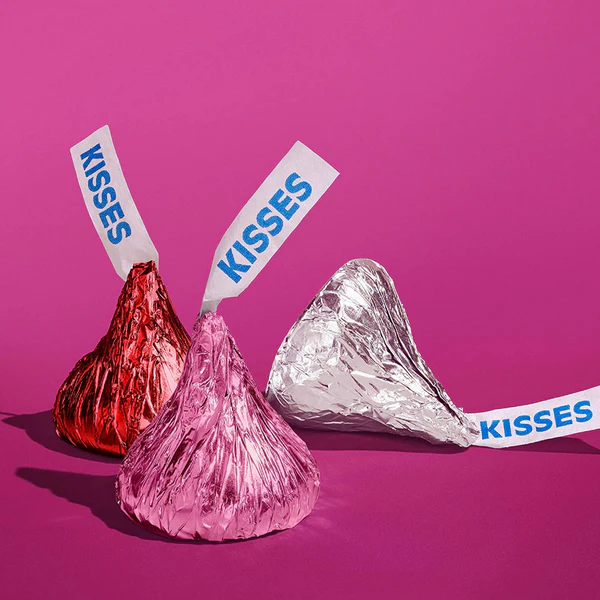
Later, Hershey built on the momentum by making chocolate more affordable in the United States and leaning into seasonal packaging. Red foil. Pink displays. Limited-edition cues.
Those visual signals told consumers something simple:
This belongs to this moment.
Over time, those branding decisions became tradition.
Today, Valentine’s Day is one of the biggest candy-selling holidays of the year. In fact, shoppers are projected to spend nearly $1.9 billion on Valentine’s Day candy this year alone.
That level of spending didn’t happen overnight. It’s the result of consistent seasonal marketing, strong visual identity, and brands showing up the same way year after year.
What This Means for Modern Brands
Valentine’s Day marketing didn’t invent the holiday. But it shaped how we celebrate it.
The brands that last don’t just promote products. They create emotional associations. They design experiences around moments. And they repeat those experiences consistently until they become familiar—and expected.
That’s how branding influences culture.
Strong brand strategy isn’t about being flashy. It’s about being intentional. It’s about aligning visuals, messaging, timing, and experience so clearly that customers don’t have to think twice.
Chocolate on Valentine’s Day now feels automatic.
That’s the power of branding done well.
Sweet & simple
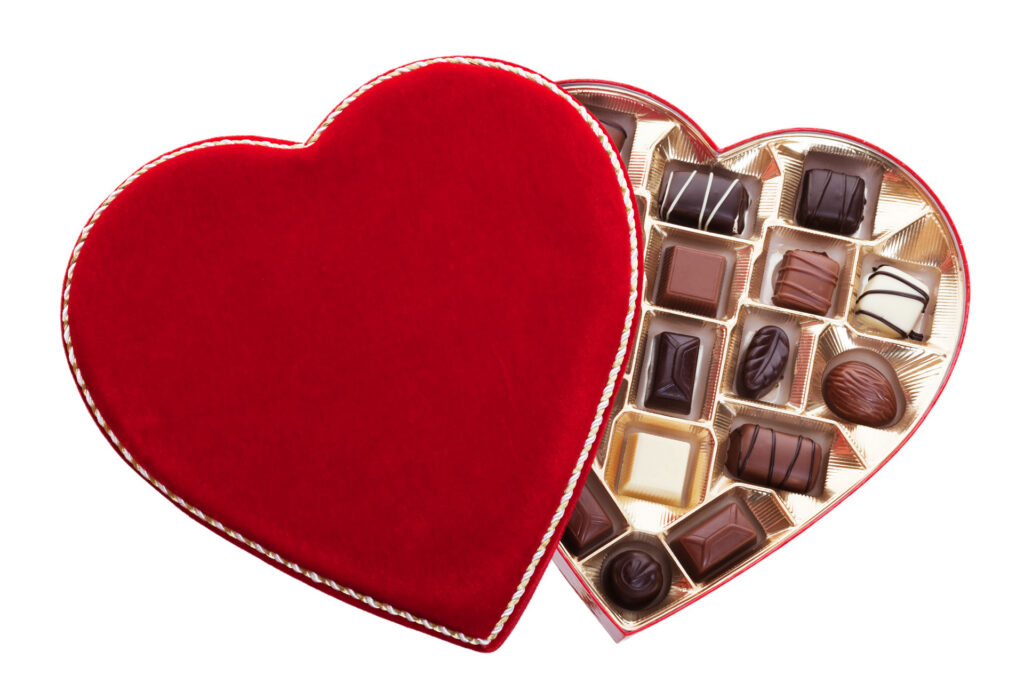
So yes, when you see a heart-shaped box of chocolates this Valentine’s Day, you can absolutely thank marketing. And if you’re ready to build brand moments that stick well beyond a single campaign, h2o creative group is here to help.
Let’s create something people remember. <3